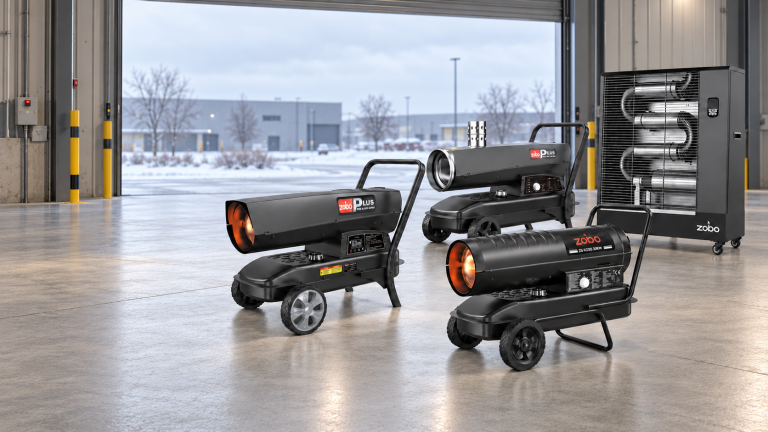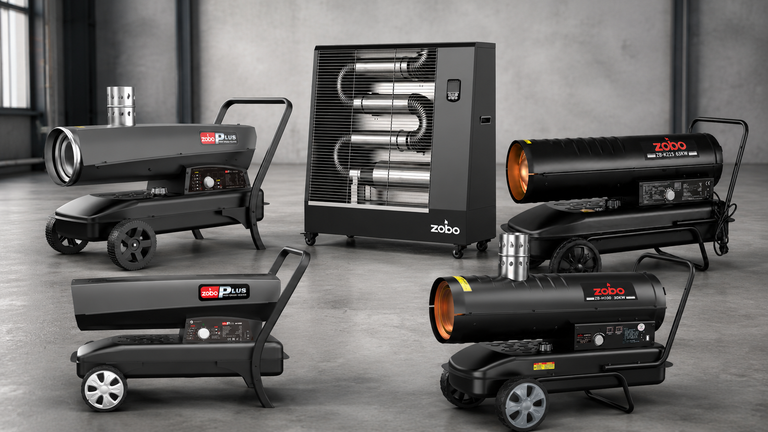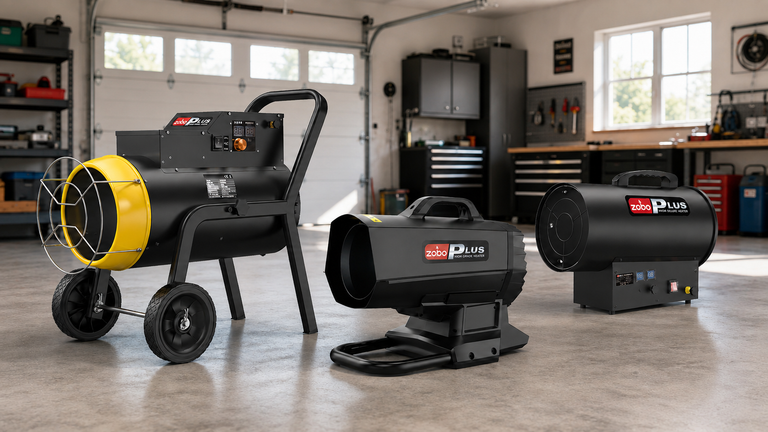

Winter is coming, and if you want to keep warm when the thermometer reads low, you may be looking for a gas heater or propane heater for sale. A gas air heater is an economical, reliable, and energy-efficient source of heat. Gas heaters are used to heat greenhouses and workshops.
How to Choose a Gas Heater for Your Environment
Choosing a gas heater may seem overwhelming as you need to consider the space you want to heat, the type of heating system you need, the kind of fuel it uses, the safety features you may need, and how much you want to spend.
1.Understand Space Requirements The first thing to understand is the size of the space you wish to heat. Gas heaters are rated by the number of BTUs (British Thermal Units) they can produce. BTUs are a measure of their heating output or capacity. Here are some general guidelines:
Small spaces (up to 150 square feet): 5,000 to 10,000 BTUs Medium-sized rooms (150 to 300 square feet): 10,000 to 20,000 BTUs Large areas (300 to 500 square feet): 20,000 to 30,000 BTUs Very Large Spaces (500+ square feet): 30,000+ BTUs
ZOBO Heater Factory can also calculate your BTU needs for greenhouse, warehouse, and other similar applications based on ceiling height, insulation quality, and desired temperature rise.
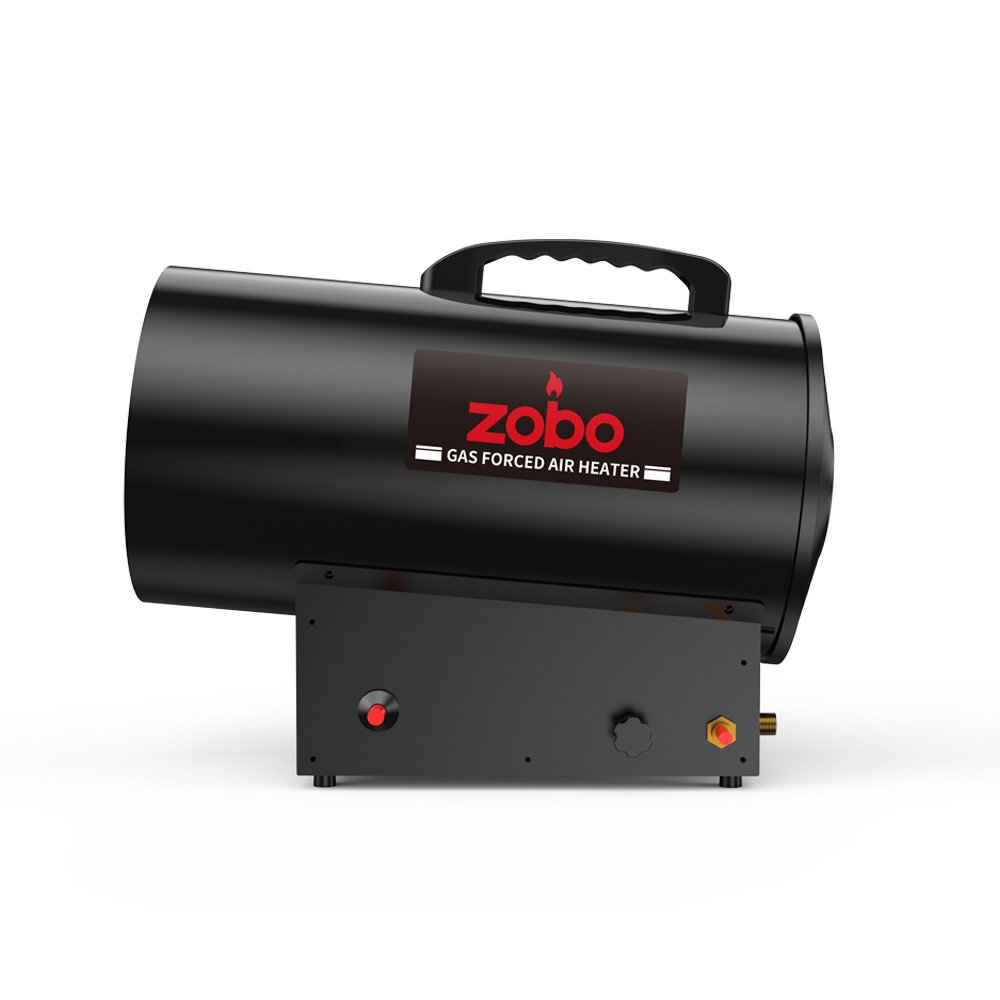
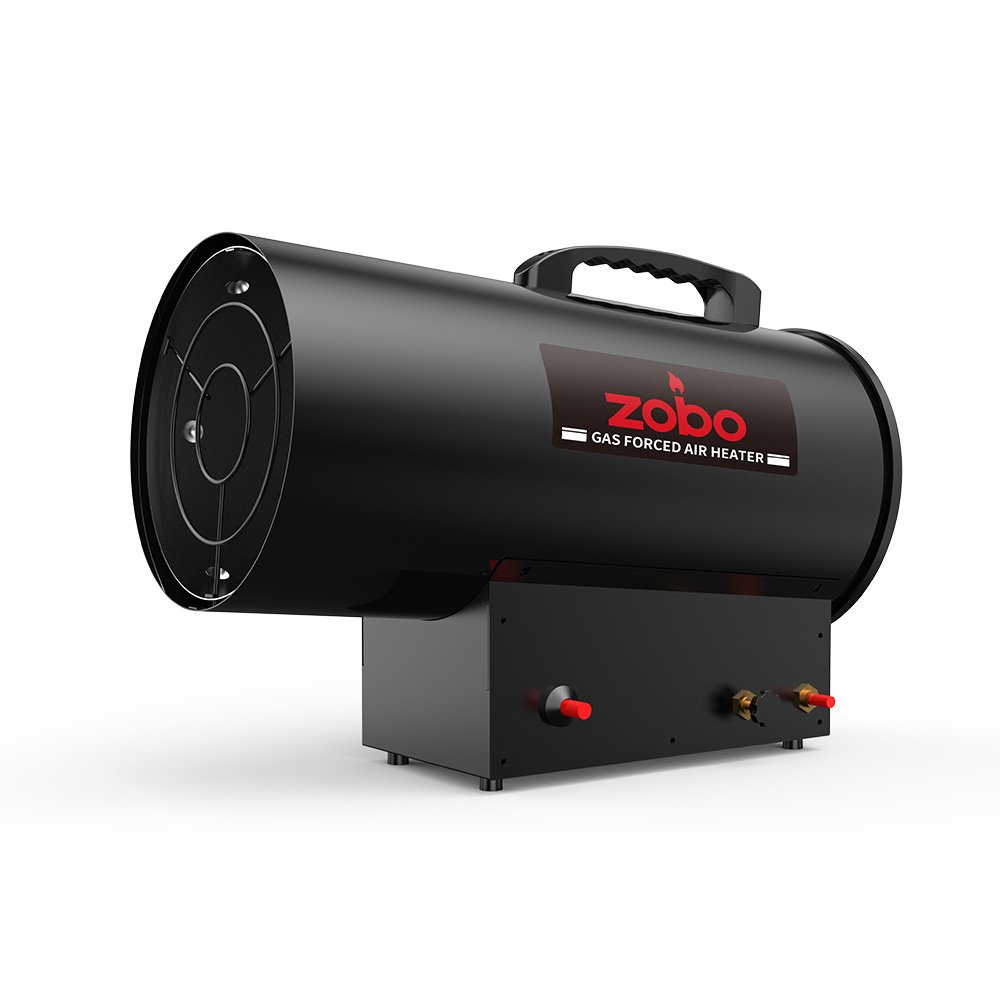
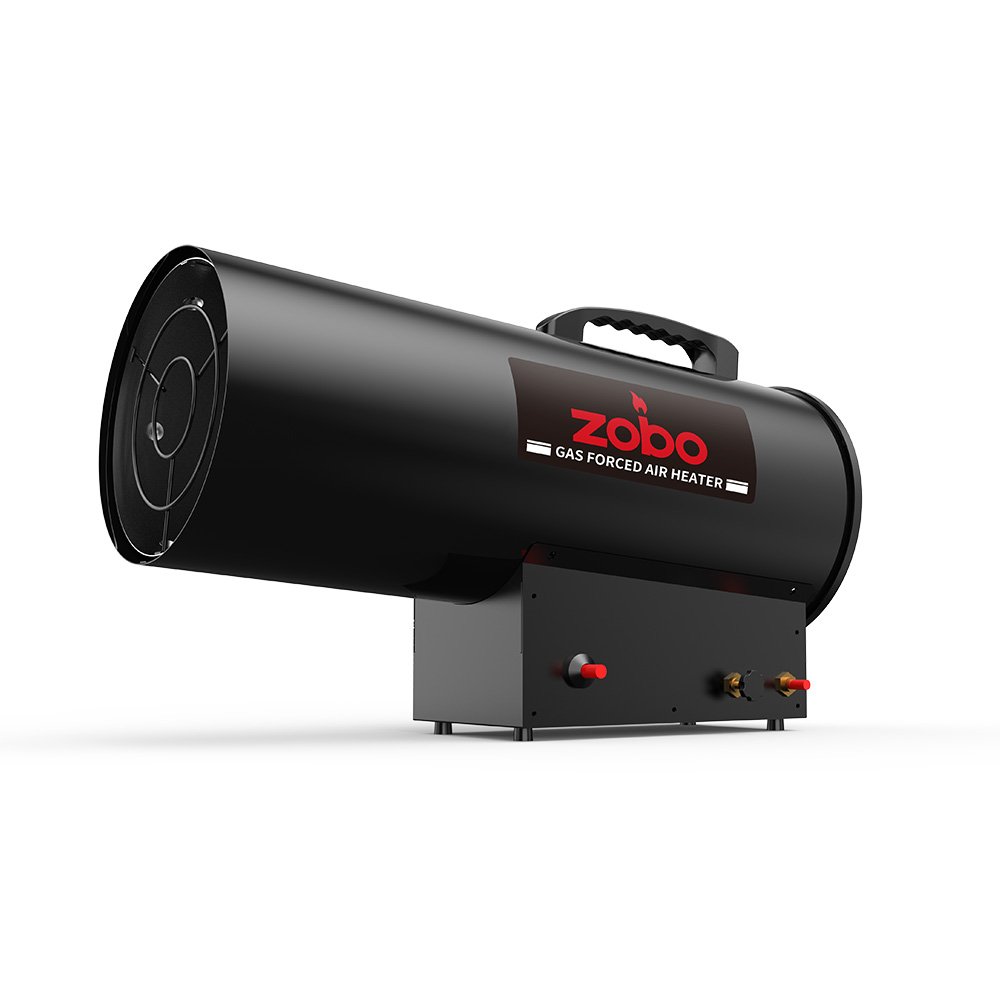
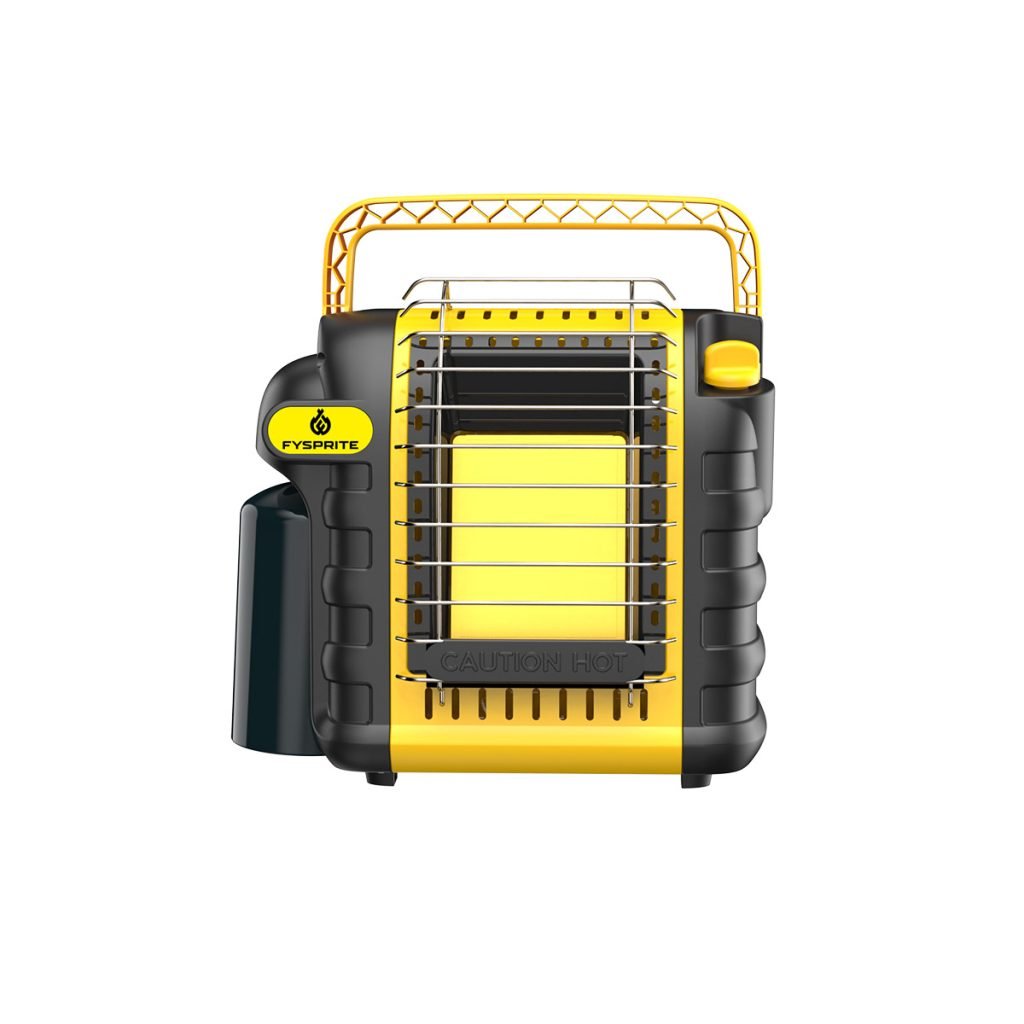
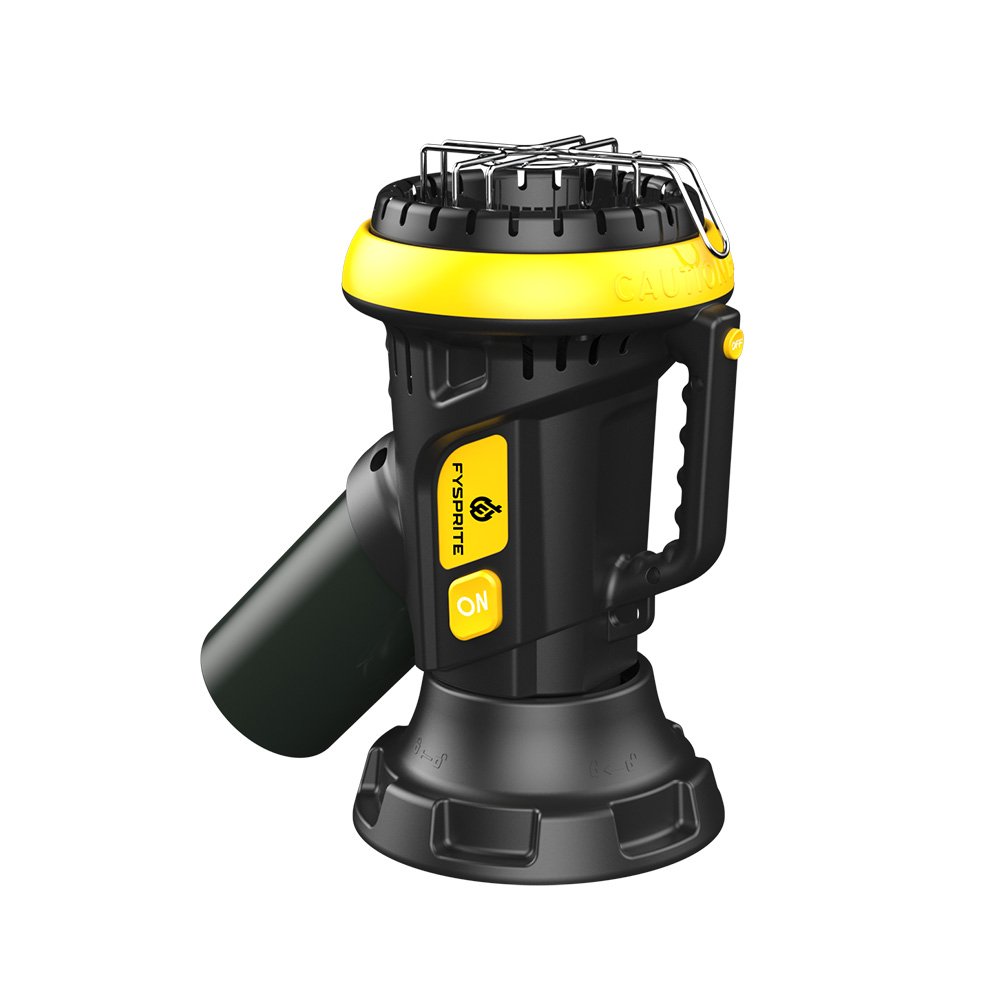

Types of Gas Heaters
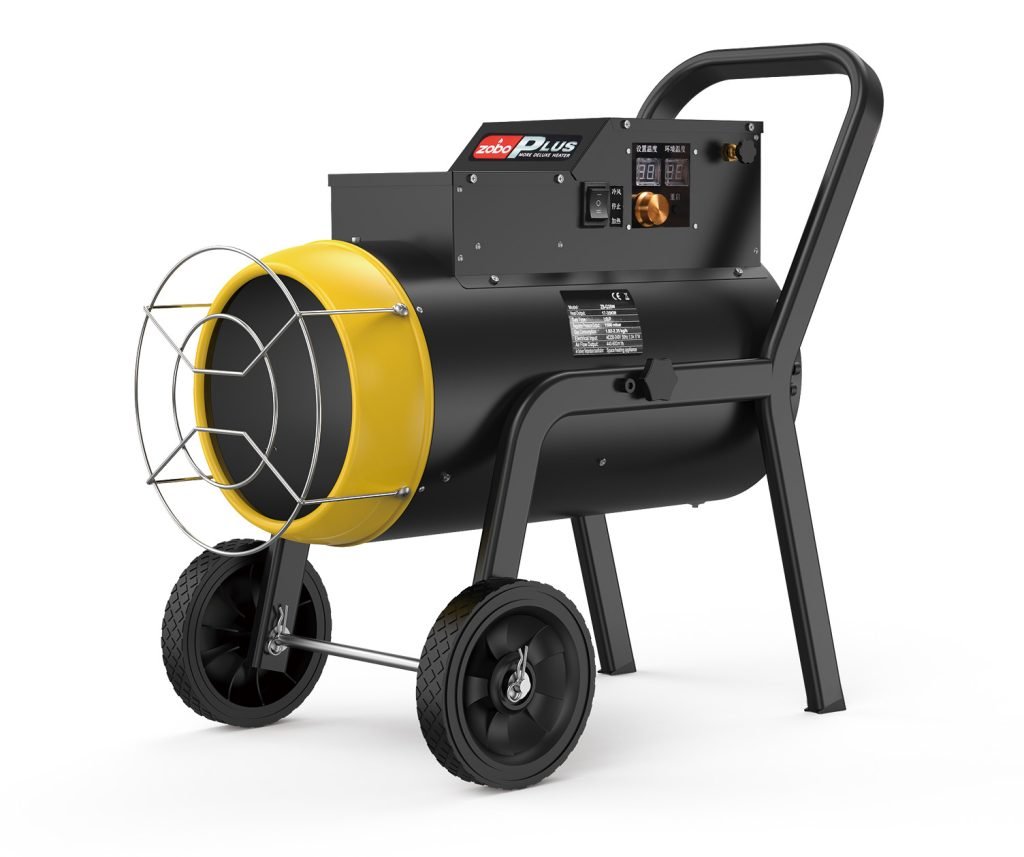
1.Forced Air Gas Heaters: These are gas heaters that blow the hot air around the space or room. These are good for larger spaces like workshops, storage rooms, garages.
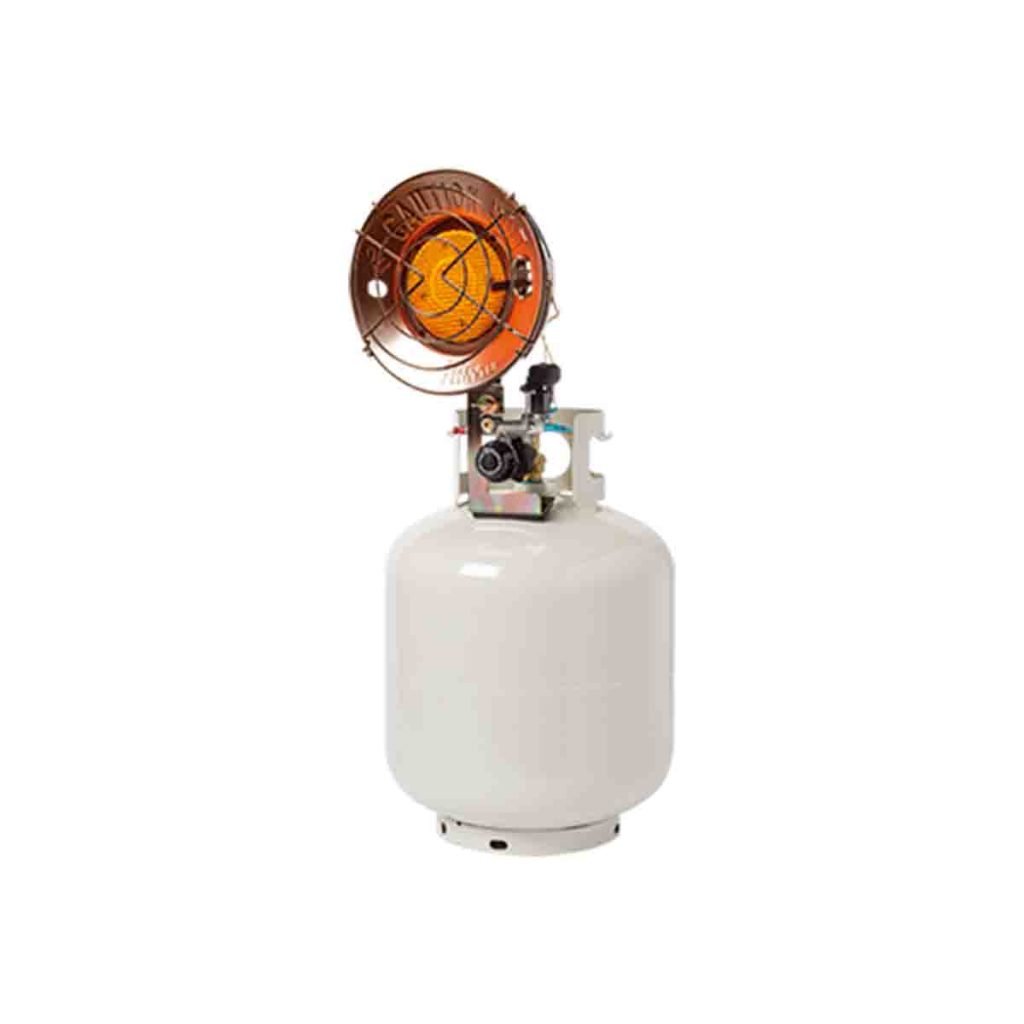
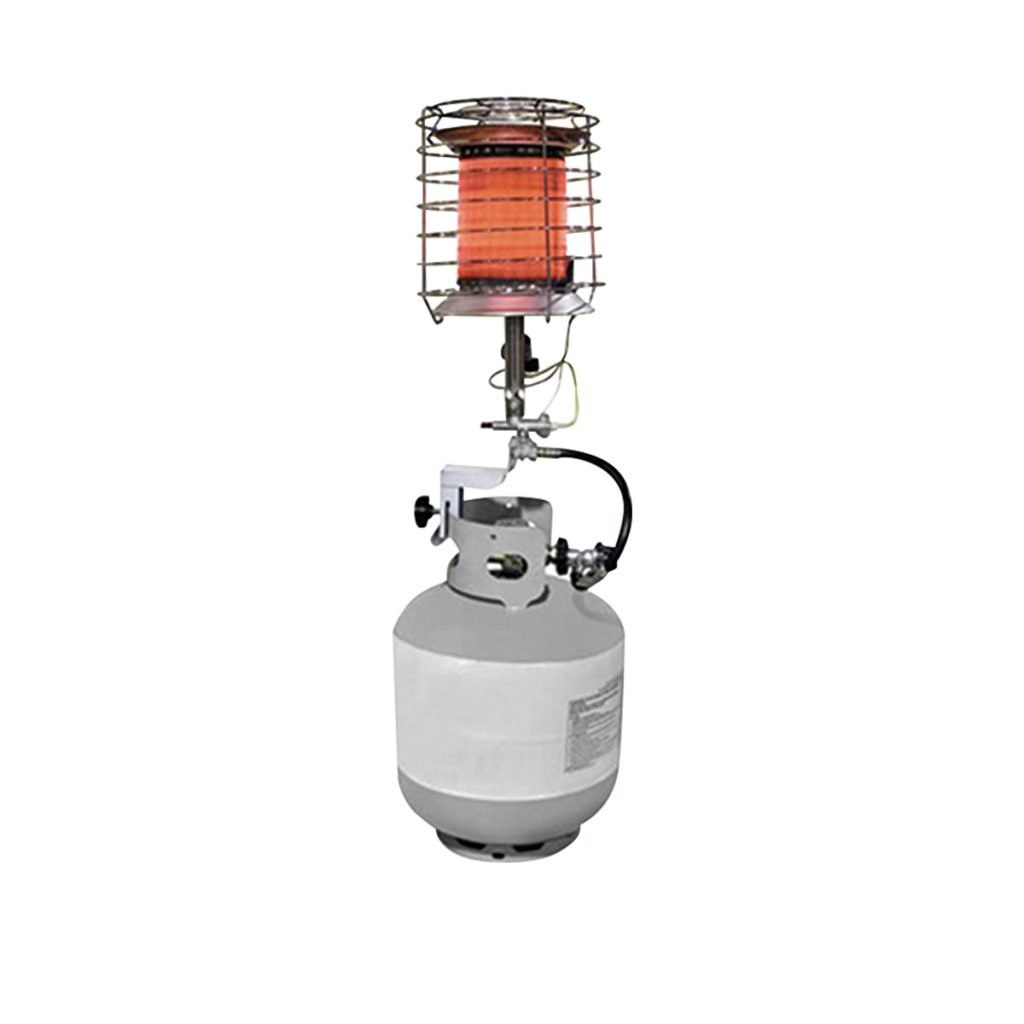
2.Outdoor Gas Heaters: These outdoor gas heaters don’t heat the air but rather people and objects directly with infrared heat waves. They are ideal for outdoor use, spot heating in large spaces, and where the doors frequently open and close, such as loading docks.
3.Tank Top Gas Heaters: These are gas heaters that heat the air, which then rises and circulates throughout the space. They are good for enclosed spaces, like greenhouses and workshops.
4.Portable vs. Fixed Installation: Consider whether you want a heater you can move around or a fixed installation. ZOBO manufactures both portable propane heaters that can be easily moved from place to place
5.Fuel Considerations There are two types of fuel used by gas heaters: LPG and propane. LPG heaters need to be hooked up to a gas line, so they can run 24/7 without refueling. Gas heaters often have lower operating costs but may require more expensive installation. Propane Heaters on the other hand are more portable and can be used where there is no natural gas line available. They will need to have their propane tanks refilled periodically but offer more flexibility in where they can be used.
Safety Features to Consider When choosing a gas heater, safety should be your top priority. Some of the safety features to look out for include: Oxygen depletion sensors (ODS) Tip-over protection switches Overheat protection Cool-touch exteriors CSA, CE certification ZOBO gas heaters are equipped with all of the above safety features, as well as automatic shut-off systems that will turn the heater off if unusual conditions are detected.
6.Cost and Value Considerations Gas heaters can range in price from cheap to expensive, depending on their size, features, and quality. Here is a rough idea of the price range you may see for gas heaters:
Basic portable propane heaters: $100-$300 Mid-range shop/garage heaters: $300-$800 Commercial-grade greenhouse or warehouse heaters: $800-$3,000+
However, while the initial cost is something to consider, you should also factor in the long-term operating costs. ZOBO Heater Factory has a range of models in each of these price categories, all built with great value in mind. We do this by using long-lasting construction materials, efficient operation to save on fuel costs, and low maintenance requirements, making ZOBO heaters a better investment over their lifetime.
Gas heaters have become an important part of many different environments. Here are some reasons why:
They’re reliable: Gas heaters are known for their long lifespans and dependability. Efficient: Gas heaters are generally more fuel-efficient than other types of heaters, which can save you money on your energy bill. Versatile: Gas heaters can be used for a wide variety of heating needs, from residential to commercial.
The following sections will get into how gas heaters can help with some of the more common applications.
Greenhouse Heating Solutions Greenhouses are a sensitive environment that must be kept at an optimal temperature to ensure your plants can grow to their full potential. Gas heaters can be used let formation on the inside. This reduces cold spots and the heat loss that comes from condensation.
Gas Heater Applications and Heating Solutions
Greenhouse Heating Solutions Greenhouses are a sensitive environment that must be kept at an optimal temperature to ensure your plants can grow to their full potential. Gas heaters can be used to help with this by providing consistent temperature control, which helps ensure the best growth rates and year-round production. ZOBO gas heaters can provide the accurate temperature control necessary to maintain the ideal environment for different plant types.
This will help growers maintain ideal greenhouse temperatures regardless of how cold it is outside. CO₂ Enrichment: Used carefully and with adequate ventilation, gas heaters can also provide beneficial CO₂ to the greenhouse environment, which can sometimes help increase plant growth rates if carefully managed. Cost-Effective Operation: Compared to electric heating systems, gas heaters often have lower operating costs, a significant advantage when you need to heat large volumes of air in commercial greenhouses.
Shop and Manufacturing Environments Gas heaters can also be a big help in workshops and manufacturing facilities. Shop heaters are an important part of keeping comfortable working conditions and protecting your equipment. Worker Comfort and Productivity: Keeping a comfortable temperature is not just for the workers’ sake, but it can also increase productivity and precision, especially in jobs that require manual dexterity.
Equipment Protection: Many tools and materials only function at their best when at a controlled temperature. In extreme cases, the cold can even cause damage to sensitive components and make lubricants fail.
Rapid Heating Capability: ZOBO’s high-output shop heaters can heat even large spaces with high ceilings quickly, making them ideal for areas that may not be heated regularly.
Directed Heating Options: In large workshops, sometimes you don’t need to heat the whole space. This can be a more cost-effective way of providing heat, and certain ZOBO models are ideal for this type of directed heating.
Warehouse and Large-Scale Commercial Application Warehouses and other large-scale commercial applications present an entirely different set of challenges when it comes to heating.
Frost Prevention: If you have a warehouse with little or no insulation, even a small amount of heating can help prevent freezing temperatures that can damage your inventory or your water pipes. Loading Dock Comfort: If you have areas of your building that have a lot of outside air exposure, they can benefit from the fast heating that gas heaters provide. You’ll be able to get back to a comfortable temperature much faster after the doors are opened.
Agricultural Applications Gas heaters are also very commonly used in agricultural settings. Poultry farms are one of the biggest examples of this. Precise Climate Control: Precise temperature control is necessary for the birds’ best health and development. Different growth stages have different temperature requirements.
Residential and Small Space Heating Gas heaters can also be a great choice for residential applications or smaller spaces.
Energy Efficiency: Direct heating with propane heaters can be more cost-effective than other whole-house heating options if you only need to heat particular areas.
Supplemental Heating: Gas heaters can also supplement your primary heating system in specific areas that might need a little extra warmth. This is especially true for places like basements, garages, or additions.
Outdoor and Recreational Application Gas heaters have also found a whole new world of applications in outdoor and recreational settings.
Winter Sports Support: Gas heaters also support a wide range of winter activities, from ice fishing shelters to ski lodge patios, and everything in between.
Construction and Worksite Heating: Portable propane heaters can also allow you to continue working in cold conditions where equipment might otherwise fail, and where employees would otherwise be miserable.
Event and Hospitality Industry: The hospitality industry also benefits from gas heater options.
Event Tent Heating: Temporary structures for weddings and events can stay nice and toasty no matter what time of year with a properly sized gas heating system.
“how to heat a greenhouse in the winter?”
Step 1: Determine Your Greenhouse Heating Needs Before you can choose the right heating solution, you’ll need to know how much you need. There are a few things you need to know to determine this:
- What’s the temperature difference? The first step is to figure out how much warmer you need your greenhouse to be than the outside temperature. 2. Assess Your Greenhouse Structure Take a look at the type of covering material you use, such as glass, polycarbonate, or polyethylene. Consider the insulation levels and the total surface area that will lose heat. 3.Calculate BTU Requirements You can use this general formula to calculate how many BTUs you need: Surface area (sq. ft) × Temperature difference (°F) × Heat loss factor = BTUs required Heat loss factors will vary depending on the type of covering used: Single glass: 1.2 Double polyethylene: 0.7
ZOBO Heater Factory also offers a consultation service to help greenhouse operators figure out their heating requirements based on these and other factors like wind exposure and humidity control.
Step 2: choosing a gas heater supplier
Choosing a gas heater supplier can be a challenging task, but certain key factors should guide your decision-making process. In this article, we’ll discuss the most important considerations to help you select a reputable and reliable gas heater supplier.
Manufacturer or Trading Company One of the first questions to ask yourself when choosing a supplier is whether they are a manufacturer or a trading company. This is because: – Manufacturers offer better quality at a lower price than trading companies – Elimination of middleman markups – More in-depth technical expertise about the products – Customization of products according to specific needs – More reliable after-sales service. Purchasing from a manufacturer like ZOBO Heater often results in getting more value for your money while ensuring superior quality.
Safety Features and Performance Gas heaters are combustion devices, so it is crucial to consider safety features when choosing a supplier. ZOBO Gas Heater are recommended as they offer comprehensive safety features, including tip-over and overheating protection. Another important factor to consider is the performance of the heaters in extreme conditions. ZOBO heaters can work perfectly even in -30°C environments, showcasing their reliability and durability.
Certifications ensure that the products meet the required safety and performance standards. Some of the important certifications to consider are:
CE certification (European Conformity) CSA certification (Canadian Standards Association)
These certifications guarantee that the products comply with the safety standards and regulations of the respective countries. ZOBO Heater products come with the necessary gas certifications, such as CE and CSA, assuring their quality and safety.
Step 3:
1.Install Thermal Screens/Curtains These can be pulled out at night to create an insulating air layer that helps reduce heat loss through the greenhouse covering. Some systems have been shown to reduce night-time heating costs by as much as 30%.
2.Apply Bubble Wrap Insulation For smaller greenhouses, you can cover the interior walls with horticultural bubble wrap for another layer of insulation without sacrificing much light transmission.
3.Seal Gaps and Repair Damage Regularly check for and repair any tears, gaps, or damaged seals where warm air can escape.
4.Consider Insulation In the northern hemisphere, insulating the north-facing wall (which gets the least sunlight) can help a lot to reduce heat loss without sacrificing much light penetration.
5.Use Anti-Condensation Films Specialized greenhouse coverings that help reduce water drop formation on the inside of the greenhouse.