
Diesel Heater OEM & ODM Guide
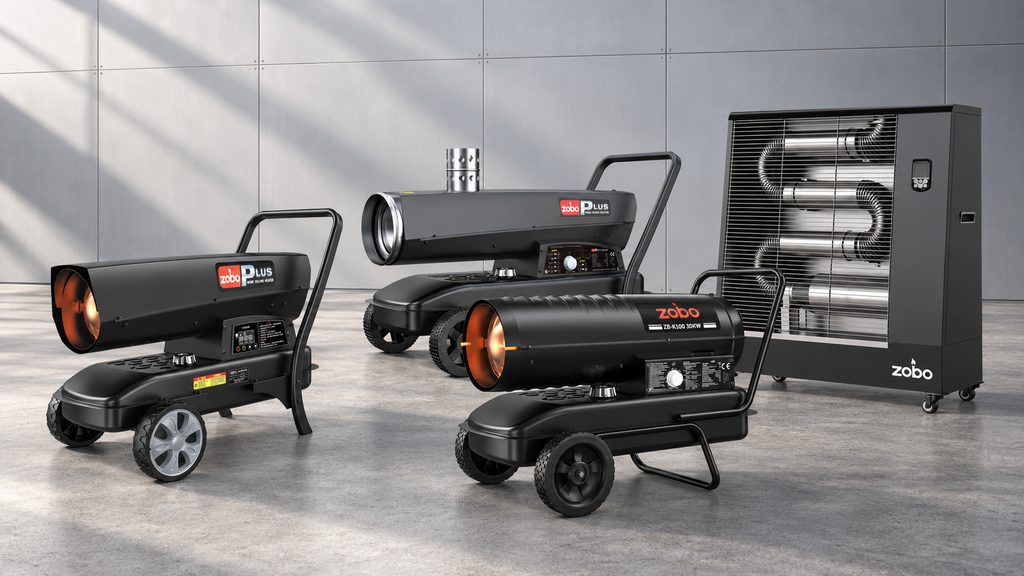
Launching a new line of diesel heaters successfully means making informed choices about product configuration, target markets, quality management, and after-sales service. When importing for resale, an OEM or ODM project lets you build a recognizable brand while partnering with an established manufacturer.
Successful projects start with a detailed specification, continue through sample approval, and cover production management and service planning. The following outlines those steps, how to evaluate a diesel heater factory, and how to create a sourcing brief that results in a useful quotation.
It applies to industrial and commercial forced-air and infrared heaters, many of which come in portable sizes. If you are sourcing automotive parking heaters, follow a similar but separate process to select and develop that product.Diesel Heater OEM & ODM Guide
Learn What OEM and ODM in Heater Manufacturing
OEM = Original Equipment Manufacturer. The factory builds the equipment to your design or specifications, which you have agreed in advance. This may include detailed engineering information or field changes to an existing model they sell under their own brand.
ODM = Original Design Manufacturer. The supplier designs the product and you select and approve it for your market. You may provide feedback to refine performance, construction details, or available configurations. Buying into an existing ODM platform may save development time if their engineering already meets your needs.
Some suppliers loosely interpret these terms for basic private label requests. Confirm exactly who designs the heater and what changes are included in that service. Who owns any custom tooling or engineering drawings created during development?
Whether you choose OEM or ODM depends on how differentiated your brand needs to be. If a distributor wants to test market demand, they may start with an existing platform. An established brand with sales records and customer feedback can justify further development costs.
Select Heating Equipment Customers Need
Decide on the heater category early. Before you can select color schemes or discuss packaging, know which type of heater applies to your customers’ application.
Direct-fired heaters produce heated air along with combustion gases that enter the space being heated. Consider ventilation and the manufacturer’s operating limits when advising customers. An indirect diesel heater uses a heat exchanger to isolate heated airflow from combustion exhaust, which vents through the dedicated exhaust connection. These characteristics should factor into advice about intended use and product selection.
Ask specific questions if infrared heaters are suitable. Does the customer want localized heating around workstations, or fill an entire space? If infrared ratings apply, how close should the heater be to people or other objects? Verify clearances, ventilation, and environmental recommendations against their documentation.
You also need exact wording for fuel compatibility. If your lineup includes both diesel and kerosene heaters, list which fuel grades are suitable for each model. Only list fuels that are explicitly recommended by the manufacturer. Never assume that one model’s fuels apply across your catalog.
Create a Specification Buyers and Suppliers Can Use
Tip: Capture requirements in numbered paragraphs or a bullet list so you and others can easily reference them during discussion. An effective sourcing brief ties features to reasons your customers need them. Target country, channel, application, estimated quantity, and proposed launch date belong before requesting price.
Next, list desired heating output (preferably in kW), tank capacity, estimated fuel consumption, required electrical supply, dimensions, and max transport weight. Distinguish output from power consumption. Ask how and when they tested their performance figures so you can fairly compare quotations.
Customers frequently request heater area coverage. Without proper context, that number alone doesn’t account for ceiling height, insulation, air leakage, starting temperature, or how much warmth the space requires. Ask suppliers to detail their coverage assumptions and don’t quote coverage numbers until that context clarifies in sales communications.
Cold climate sales should include a defined start temperature and minimum ambient temperature requirement. Ask the supplier how they will test the proposed model with the intended fuel and power source at those temperatures.
Finish your brief with commercial terms. Does the reseller value simplicity of service, prefer lightweight designs for rental customers, or have other priorities that affect buyer preference? Rank required features separately from desired options.
Focus your first shipment around one or two clearly differentiated applications or output sizes. Splitting an order into more configurations increases the combinations of inventory, product information, and spare parts you must manage. Ask if the proposed models share service parts. Confirm compatible versions through part numbers when discussing custom parts availability. Increase variety as sales data supports additional configurations.
Specify Required Diesel Heater Customization
Decals, paint color, package design, manuals, and appliance labels are separate from mechanical changes. Helping the factory identify modifications that require further discussion streamlines the customization conversation.
diesel heater customization includes logo placement, appliance color, carton design, manual style, and appliance labels. Send them your brand artwork, color samples, and translated text requirements before asking for a price. Visual customization should not obscure mandatory warnings or identification markings.
Mechanical or functional customization could include alternative display, thermostat connections, timer, remote control, lifting handles, etc. Ask the supplier which items are standard options versus custom development. An off-the-shelf control panel and a custom controller incur significantly different expenses and lead times.
Electrical customization usually requires more than painting a new power cord. Specify voltage and frequency, then confirm compatibility with their components and assembled product.
Keep track of every approved change in a configuration tab or datasheet. Refer to the same document during quotation review, sample inspection, factory production, and import goods inspection. Don’t rely on vague descriptions like “upgraded version” as the product definition.
Evaluate the Factory and Their Proposed Diesel Heater
Learn how the supplier plans on building the product. If needed, ask for production photos that demonstrate component procurement, assembly, testing, and final inspection activities relevant to your selected model and configuration.
During a factory tour or document review, look for:
- Clarity around the assembly process
- Quality assurance and testing procedures
- Traceability of purchased components
- Sample and finished-goods storage
Ask them which activities they control directly and how components from subcontractors are reviewed for compliance. Ideally, you want to know who is responsible at each stage.
Learn how they document problems, implement countermeasures, and prevent critical components from being substituted without approval. Traceability should allow them to quickly identify impacted production batches if a problem is found in a sample or customer shipment.
Ask the same questions when researching kerosene heater suppliers. Warm air unit experience matters, but your decision should be based on their proposed product, records, and willingness to provide clear technical answers.
Confirm who you should speak with about engineering changes, product artwork approval, sample testing, production schedule changes, etc. The more clearly responsibilities are defined, the easier development communication will be.
Evaluate Compliance of Your diesel heater
Established mark requirements before discussing how you want the heater to look. Ideally, you should evaluate the intended use and configuration you will be selling.
When selling into Europe, CE Marking means a product meets EU requirements and necessary testing has been completed. The manufacturer signing off on that assessment must gather appropriate evidence, create technical files, and supply their own EU declaration of conformity. If you are placing a private label order, you become the manufacturer for this purpose.
Ask for documentation showing which model you will buy and confirm the selected electrical version and customization matches their marks. An image of the desired logo location in the supplier’s catalog does not qualify as proof of compliance.
For North America or other regions, ask the supplier which standards apply then confirm your interpretation with a certified testing laboratory. Decide who will manage technical discussions, fees related to design changes, and document maintenance after customization or future changes. Include schedule impact and related costs in your quote evaluation.
Validate Samples Before Bulk Diesel Heater Starts
Agree to sample evaluation criteria in writing. Decide what will be inspected, how you will measure it, and what passes inspection before you receive the unit.
Verify startup characteristics, heat-up time, controls, shutdown sequence, build quality, access to service points, etc. Organize any required safety or performance testing through technical staff. Remember to test actual configuration against your market’s electrical standard, approved fuel type, and any expected ventilation or operating conditions.
Don’t overlook the sales experience either. Packaging strength, instruction clarity, correct control labels, copy accuracy in manuals, and whether replacement parts are easily identified all affect your customers. Take photos of the sample unit and list the component and document version numbers.
Hold onto the approved sample unit and signed specification. Agree on how changes will be managed so future options or changes to component suppliers are reviewed before implemented.
Marketed features should be validated by the factory or supplier. Want to claim comfortable xyz™ in marketing materials? Ask them for proof related to that exact claim. Then record how you tested, conditions that applied, and any limitations. Sales teams appreciate accurate descriptions that help them answer customer questions consistently.
If your order requires new development or changes to an existing heater model, consider purchasing a pilot batch. This gives both parties an opportunity to validate packaging and assembly before spending more on bulk production.
Understand MOQ Versus Total Cost
MOQ often depends on model, customization options, print requirements, and how production equipment is set up. Confirm if their MOQ is calculated per model/color/version or per purchase order.
Request separate line items for unit cost versus tooling/weapons charges, samples, artwork configuration, testing, spare parts packaging, and other negotiated fees. Confirm included delivery term and location so you can compare who pays for freight.
Evaluate how much it costs to bring that product into your sales channel. Include freight, import fees, local transport, warehousing, and servicing allowance. Making purchasing decisions against total landed cost is more beneficial than blindly selecting the cheapest unit price.
Finally, document who retains the tools, responsible parties if something needs repaired, and exclusivity terms for new development projects. What products does this agreement cover? Are there specific territories or purchase requirements? Have your lawyer review the contract before you agree to those terms.
Schedule Production Deadlines With Sales Forecasts
Schedule production backward from when inventory must be in your warehouse. Allow time for sample changes, documentation approval, component procurement, production schedule, inspections, shipping, and customs.
Ask them what triggers production lead time. Sometimes it matters if you pay first, supply approved artwork, confirm final specifications, or other conditions like completing sample testing. Include those dependencies in your order schedule.
Inspect the product against your approved specification and agreed upon inspection plan before release. Decide before the shipment arrives how you both handle situations where the goods don’t pass initial inspection.
Confirm cargo dimensions, ship weight, and any shipping documents your forwarder needs before payment. Purchase orders, carton markings, invoices, and packing slips should all refer to the same information.
For replenishment orders share sales forecasts and establish realistic reorder points. Both parties now have a starting point to plan for reorder quantities and timing as sales pick up during the season.
Agree On After-Sales Support Early
Planning for customer service starts before your first order ships. Determine which service parts you expect technicians to have in stock and request part numbers for your selected model.
Request exploded views, troubleshooting steps, recommended maintenance, and process to elevate technical questions. Ask how compatible service parts will remain if they update the design down the road.
Put your warranty terms in writing before the first shipment. Decide what information must be submitted, how they assess returned cores, and who pays approved costs. Your warranty to local customers should match terms negotiated with the factory.
Ensure sales and service teams know how to advise customers about approved fuels, installation temperatures, ventilation guidance, and routine maintenance from the product manual. Correct advice at the start helps your customers pick the right product and use it safely.
Keep notes on commonly reported issues after installation. Trends in assembly questions, confusion around controls, or unexpected maintenance can guide future orders or product development conversations.
Initiate an OEM Project With zobo heater manufacturer
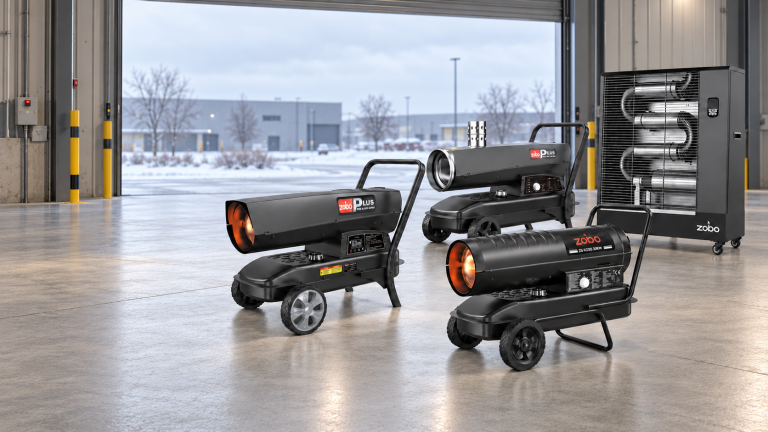
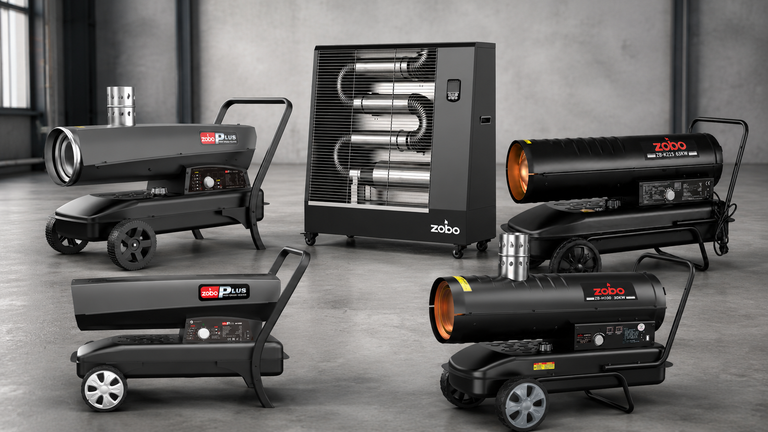
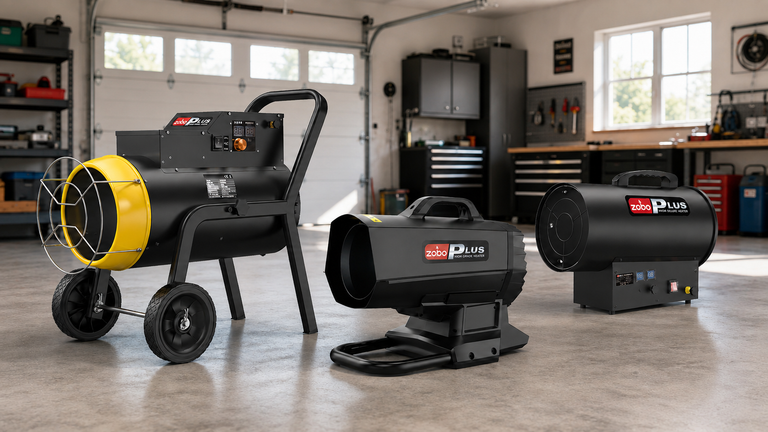
zobo offers OEM and ODM services customizing color, appliance decals, packaging, and instruction manuals. Custom functional changes and engineering projects are discussed case by case depending on factory resources and project scope. Models include diesel heaters, kerosene heaters, indirect forced-air models, and infrared heating equipment.
Start the conversation by sending zobo your target market, preferred product type, expected heating output, electrical requirements, estimated quantity, and if/how you intend to brand the product. Include intended application and any technical documents your channel needs to perform service or sells with the product.
Request a quotation that lists recommended base model, options included, development scope, samples, and available documentation. Verify product feasibility and negotiate commercial terms before you agree to place production.
Taking the time to define requirements up front, maintaining that detail throughout production, and planning for service lets dealers and distributors launch a product line they understand and can support.